Naples is known for warm weather, coastal air, and high humidity, but those same conditions can create problems inside closets, wardrobes, and storage areas. Clothes, shoes, handbags, and other fabric or leather items can absorb moisture from the air, making them vulnerable to mildew and mold. If you discover widespread growth or recurring moisture problems, a local mold removal service in Naples available 24/7 can help identify whether the issue extends beyond your belongings and into walls, flooring, cabinetry, or other parts of the home.
Understanding why mold develops is the first step toward protecting your wardrobe.
Why Naples Humidity Creates Mold Problems
Mold thrives where moisture remains present long enough for growth to develop. Naples’ humid climate can make indoor moisture harder to control, particularly during warmer months and periods of heavy rainfall.
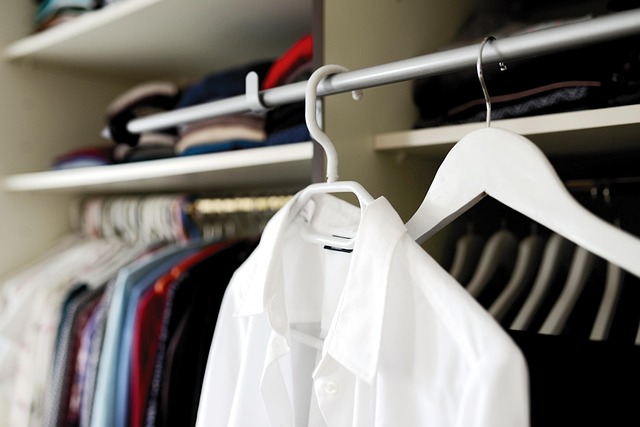
Closets are especially vulnerable because they often receive less airflow than the rest of the house. Clothing may be packed tightly together, shoes may sit on enclosed shelves, and closet doors may remain shut for long periods.
If indoor humidity becomes excessive, fabrics and other porous materials can begin absorbing moisture even without a visible leak.
That means mold can sometimes appear on clothing or shoes even when the closet itself does not seem wet.
Why Clothes Are Vulnerable to Mold
Many fabrics can retain small amounts of moisture.
Cotton, wool, linen, and other natural fibers can be especially susceptible when stored in humid conditions. Dirt, body oils, food residue, and other organic material left on clothing can also provide additional material for mold to grow on.
Putting slightly damp clothing into a closet can make the situation worse.
Beachwear, gym clothes, towels, jackets exposed to rain, and freshly washed garments that have not completely dried should never be stored immediately.
In Naples, even items that feel mostly dry may retain enough moisture to create problems inside an enclosed closet.
Can Mold Grow on Shoes?
Yes. Shoes can be particularly vulnerable because they are frequently stored in dark, poorly ventilated areas.
Leather, suede, canvas, fabric linings, and even dust accumulating on synthetic materials can support mold under the right conditions.
Shoes also collect moisture from normal wear.
Placing warm or damp shoes directly into a closed cabinet can trap moisture around them. Over time, you may notice white, green, gray, or dark spotting on the surface.
Leather shoes and boots can also develop a musty odor before visible growth becomes obvious.
Handbags and Leather Goods Can Be Affected Too
Luxury handbags, belts, wallets, jackets, and other leather items are not immune to Florida humidity.
Leather can absorb moisture from surrounding air. When expensive items remain in tightly enclosed boxes, bags, or closets without adequate climate control, mold may begin developing on their surfaces.
This is especially frustrating because improper cleaning can stain or permanently damage leather.
If a valuable item develops mold, consider following the manufacturer’s care instructions or consulting a professional experienced with that particular material rather than experimenting with strong household cleaners.
Signs of a Moisture Problem in Your Closet
Mold on clothing may be a symptom of a larger problem.
Watch for warning signs such as:
- A persistent musty odor
- Condensation inside the closet
- Discoloration on walls or ceilings
- Peeling or bubbling paint
- Damp carpet or flooring
- Mold appearing on multiple items
- Water stains around baseboards
- Recurring growth after cleaning
If several items develop mold at the same time, simply cleaning each item may not solve the underlying issue.
Check the closet itself for excessive humidity or hidden water intrusion.
Improve Airflow Around Clothing
Crowded closets restrict airflow and can trap humid air.
Try leaving some space between hanging garments and avoid packing shelves completely full. If practical, open closet doors periodically to allow conditioned indoor air to circulate.
Shoes should be allowed to dry before being stored.
Closet organizers that provide open shelving may also offer better airflow than tightly enclosed containers.
Be especially cautious with storage against exterior walls, where temperature differences can sometimes contribute to condensation.
Control Indoor Humidity
Humidity control is one of the most effective ways to prevent mold from returning.
Monitor indoor humidity with a digital humidity meter. In general, keeping humidity below roughly 60 percent can help discourage mold growth, while many homes aim for around 30 to 50 percent when practical.
Air conditioning helps remove moisture from indoor air, so keeping your HVAC system properly maintained is important.
A dehumidifier may also help in areas that remain persistently humid.
Never Store Damp Clothing
Make sure every item is completely dry before putting it away.
This is particularly important after swimming, exercising, visiting the beach, or getting caught in Florida rain.
Do not leave wet towels or clothing in hampers for extended periods.
If shoes become wet, allow them to dry thoroughly in an appropriate ventilated area before returning them to a closet.
Small habits like these can significantly reduce localized moisture.
What If Mold Keeps Coming Back?
Repeated mold growth usually indicates that something more than surface contamination is happening.
There could be a plumbing leak nearby, moisture entering through an exterior wall, an HVAC problem, or excessive indoor humidity.
If mold repeatedly appears on clothing and on closet surfaces, inspect the surrounding room rather than continuously cleaning individual belongings.
Significant mold growth, hidden moisture, or mold following water damage may require professional assessment.
Protecting Your Wardrobe in Naples
Living in Naples does not mean accepting moldy clothing and shoes as normal.
Keeping your home climate-controlled, monitoring humidity, allowing air to circulate, drying belongings before storage, and fixing water problems quickly can dramatically reduce the risk.
Pay particular attention to rarely used guest-room closets, seasonal wardrobes, leather goods, and shoes stored for long periods. These items can remain unnoticed while moisture builds up.
If you discover extensive or recurring mold, address the environment as well as the affected clothing. Finding and correcting the moisture source is ultimately the most important step in keeping both your wardrobe and your Naples home protected.